
Small holes in a t-shirt near the hem, usually in a neat row just above the waistband, are almost always caused by friction. A belt buckle, the button on your jeans, or the edge of a kitchen counter rubs the same small patch of fabric every day until the fibres wear through. Washing machines, zips and thin fabric make it worse. The good news: once you know the cause, it’s easy to prevent.
If you’ve ever pulled a favourite tee out of the cupboard and spotted three or four tiny pinholes across the front, you’re not alone. It’s one of the most common tee complaints there is, and it usually has nothing to do with moths or bad luck. Here’s what’s really happening, and what you can do about it.
Why T-Shirts Get Holes: The Usual Suspects
Why t shirts get holes comes down to a handful of everyday habits. Most people have at least two of these going on.
1. Belt buckles and jeans buttons
This is the number one cause of belt buckle holes in shirts. When your tee is untucked, the hem sits right where your belt buckle or jeans button is. Every time you sit, bend, walk or lean, metal rubs against the fabric from the inside. Over weeks, that tiny friction wears a hole, usually in the same spot every time.
Signs it’s the belt: holes clustered at the front centre, roughly at waistband height, often slightly to one side where the buckle edge sits.
2. Kitchen counters, desks and tables
If you cook, wash dishes, work at a counter or lean against a desk, the edge presses into your tee at hip height. Hard edges, especially stone or tiled countertops, act like fine sandpaper. Combine that with a belt on the other side, and the fabric gets rubbed from both directions.
Signs it’s the counter: holes in a line across the front, at the height of your kitchen counter or work desk.
3. The washing machine
Washing machines can cause or speed up holes in a few ways:
- Zips, hooks and buttons on other clothes snag and rub tees during the cycle
- Overloading means more friction as clothes grind against each other
- Long, heavy cycles and high spin speeds add stress on fabric
- Bra hooks are a sneaky one, catching thin fabric easily
4. Thin or loosely knitted fabric
Lighter, thinner tees have less fabric to wear through. A loosely knitted tee also has more space between yarns, so a small rub can open a hole faster.
5. Bleach and harsh detergents
Bleach weakens cotton fibres over time. Overusing strong detergents can do the same. The fabric might look fine but tear more easily under friction.
6. Other causes
- Seatbelts and bag straps rubbing the same spot
- Jewellery, watches and keys catching on fabric
- Pets’ claws when they jump up to greet you
- Insects, like silverfish, occasionally, though in most cases near the hem it’s friction, not bugs
How to Tell What Caused Your Holes
| Where the holes are | Likely cause |
|---|---|
| Front centre, waistband height | Belt buckle or jeans button |
| Line across the front at hip height | Counter or desk edge |
| Random spots all over | Washing machine snags, zips, hooks |
| Shoulder or side | Bag straps, seatbelts |
| Thin, worn patches everywhere | Fabric age, bleach, harsh detergent |
T-Shirt Hole Prevention: What Actually Works
Here’s how to stop baju berlubang before it starts. You don’t need to change everything, just the habits that match your hole pattern.
Fix the belt problem
- Choose a smooth, flat buckle. Sharp-edged or textured buckles wear fabric faster.
- Tuck the tee in, or front-tuck it, so the hem sits over the belt instead of under it.
- Wear a longer tee. An oversized tee with extra length often falls past the waistband, so the buckle isn’t rubbing the hem directly.
- Skip the belt on casual days if your pants fit without one.
Fix the counter problem
- Wear an apron when cooking or washing up. It takes the friction instead of your tee.
- Stand slightly back from the counter when you can.
- Rotate your tees. Wearing the same favourite every day concentrates the wear.
Fix the washing machine problem
- Close all zips and fasten hooks before washing.
- Turn tees inside out. It protects the outer surface and prints.
- Use a mesh laundry bag for tees you love, and for bras with hooks.
- Don’t overload the drum. Clothes should be able to move freely.
- Use a gentle cycle and cold water.
Our full routine is in How to Wash a Cotton Tee So Prints and Colour Last.
Go easy on bleach
Skip bleach for coloured tees. Even on whites, use it sparingly, if at all. A cold wash with a gentle detergent is enough for everyday sweat.
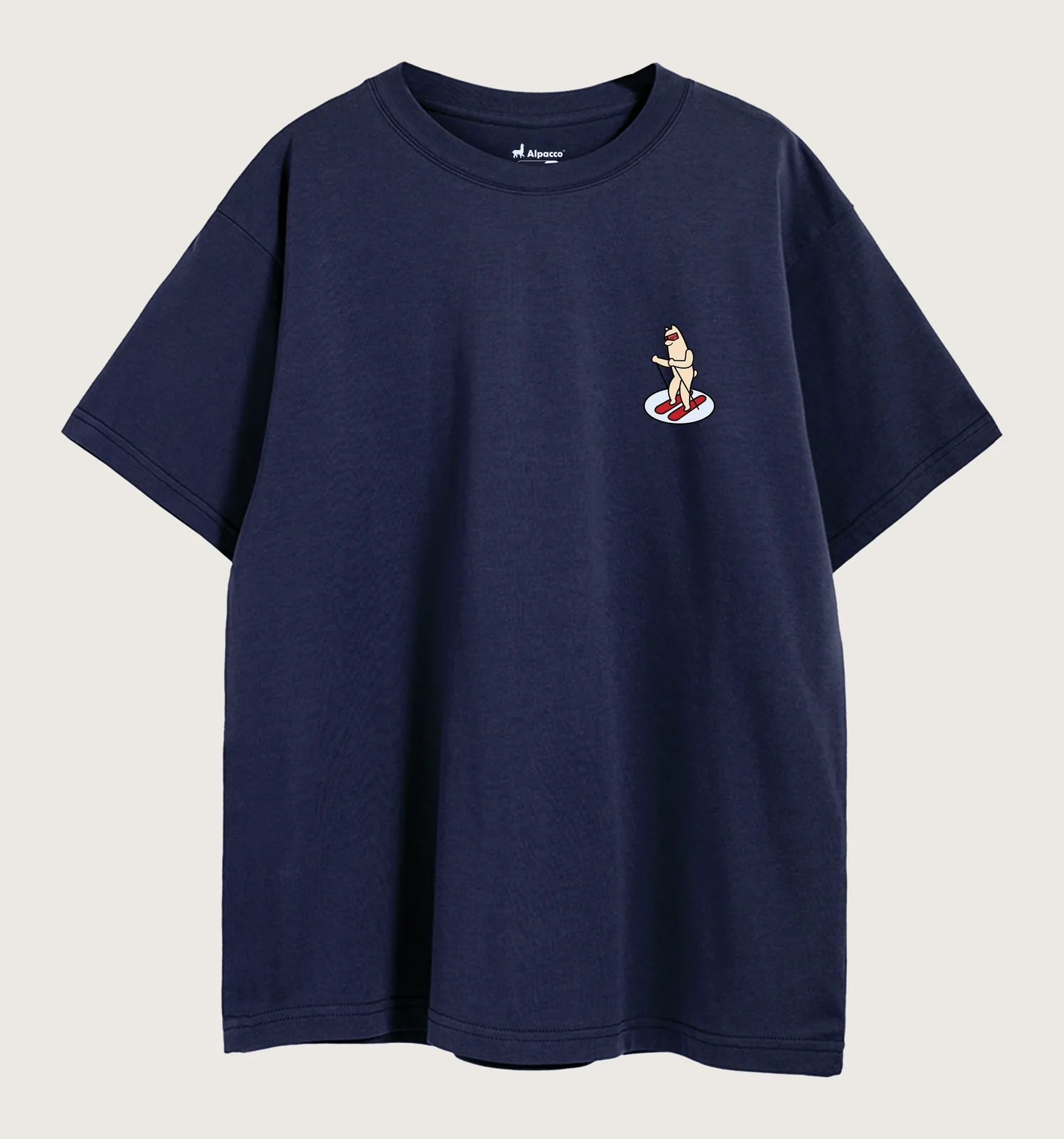
Does a Heavier Tee Get Fewer Holes?
Generally, heavier fabric gives you more protection. A tee with more weight usually has more yarn packed into each square metre, so there’s simply more fabric for friction to wear through before a hole appears. It won’t make a tee immune to a sharp belt buckle, but it can buy you a lot more time.
That’s why fabric weight, measured in gsm (grams per square metre), matters for more than just feel. Here’s a rough guide:
- Lightweight tees can feel airy, but tend to show wear sooner.
- Mid to heavyweight tees have more body and are generally more resistant to everyday rubbing.
Yarn quality matters too. Combed cotton has fewer short fibres, which helps the surface stay smoother over time. Read Combed Cotton vs Regular Cotton for more, and What Does 250gsm vs 260gsm Mean? for a simple explanation of fabric weight.
Worried a heavier tee will be too warm in our weather? We answer that in Is a Heavyweight Tee Too Hot for Malaysia?.
How to Fix Small Holes in a T-Shirt
Already have holes? Don’t throw the tee out yet. Small holes are often fixable.
Option 1: A quick hand stitch
For a tiny pinhole, turn the tee inside out and use a needle and matching thread to pull the edges together with a few small stitches. Keep the stitches loose enough that the fabric can still stretch.
Option 2: Fusible mending patch
Iron-on mending patches or fusible interfacing go on the inside of the tee, behind the hole. Follow the product instructions, and avoid ironing over any print on the front.
Option 3: Darning
Darning weaves thread across the hole to rebuild the surface. It takes a little patience, but it’s sturdy and can look neat with matching thread.
Option 4: Make it a feature
Some people turn holes into small embroidery details or patches. It’s very streetwear and gives an old favourite a second life.
Option 5: Visit a tailor
For a favourite tee, a local tailor or alteration shop can repair small holes neatly.
If holes keep coming back in the same place, fix the cause first. Otherwise the repair will just wear through again.
Quick Checklist: Stop Holes Before They Start
- Smooth, flat belt buckle, or tuck the tee
- Apron for kitchen work
- Zips closed, tees inside out, mesh bag for favourites
- Cold, gentle wash and no overloaded drum
- No bleach on coloured tees
- Rotate your tees
- Choose heavier, well-made fabric
For a quick way to judge fabric quality before you buy, see How to Spot a Quality T-Shirt in 30 Seconds.
Shop Heavier Tees Built for Everyday Wear
Our tees are combed cotton between 230gsm and 260gsm, on the heavier side of everyday tees. If you want more fabric between your belt buckle and a hole, start with our heavyweight options:
- MT Mood Tee: 260gsm, oversized, drop shoulder
- OT Little Monster Series: 260gsm, with graphics by designer Nick Loo
- Signature Cotton Long Sleeve: 250gsm cotton for cooler, air-conditioned days
No tee lasts forever against a sharp buckle, but heavier fabric, gentle washing and a few small habit changes go a long way.
Key Takeaways
Small holes near a tee’s hem are usually caused by friction from belt buckles, jeans buttons and counter edges, made worse by rough washing and thin fabric. Use a smooth buckle or tuck your tee, wear an apron for kitchen work, wash inside out on a gentle cycle and skip bleach. Heavier fabric generally lasts longer, and small holes can often be stitched or patched.
FAQ
Why do my t-shirts get small holes at the front?
Usually friction. A belt buckle, jeans button or kitchen counter rubs the same patch of fabric at waistband height every day until the fibres wear through. Washing tees with zips and hooks, overloading the machine and thin fabric can make holes appear faster.
How do I stop belt buckles making holes in my shirts?
Choose a smooth, flat buckle, tuck or front-tuck your tee so the hem sits over the belt, or wear a longer tee that falls past the waistband. On casual days, skip the belt if your pants fit without one. Rotating your tees also spreads the wear.
Are small holes in t-shirts caused by moths?
Rarely, especially near the hem. Most small holes at waistband height come from friction, not insects. Silverfish and other pests can occasionally damage fabric in storage, but if the holes are in a neat line at the front, a belt, button or counter is the likely cause.
Do heavier t-shirts get holes less easily?
Generally, yes. Heavier fabric has more yarn per square metre, so friction takes longer to wear through. It won’t make a tee immune to a sharp buckle, but combined with gentle washing and good habits, a heavier tee usually lasts longer before holes appear.
Can you fix small holes in a t-shirt?
Yes. Tiny holes can be closed with a few hand stitches from the inside, covered with an iron-on mending patch on the inside, or darned. For favourite tees, a local tailor can do a neat repair. Fix the cause too, or the hole may return.