
The secret to how to dry clothes in rainy season is speed and airflow. Wash, spin well, hang your tees spaced apart in a ventilated spot with a fan or dehumidifier running, and aim to have them fully dry within a day. Slow drying is what causes that musty smell, not the rain itself.
If you’ve ever pulled on a “clean” tee and caught a whiff of something sour, this guide is for you. We make cotton tees for Malaysian weather, so we hear about baju bau hapak more often than you’d think. Here’s why it happens and how to fix it, monsoon-season style.
Why Clothes Smell Musty When It Rains
That smell has a name in most Malaysian homes: baju bau hapak. It happens when clothes stay damp for too long. Not when it rains. When they linger wet.
Here’s the simple version:
- Bacteria and mildew love damp fabric. Warm, humid air plus wet cotton is an ideal place for them to grow.
- Rainy days slow evaporation. When the air is already full of moisture, water leaves your clothes much more slowly.
- Cotton holds water. It’s absorbent, which is why it feels so good to wear, but it also means it takes longer to dry, especially heavier tees.
- Leftover residue feeds the smell. Too much detergent or fabric softener can stay in the fibres and trap odours.
The goal isn’t to fight the rain. It’s to shorten the time your tees spend damp. Once you see it that way, the rest of the tips make sense.
Before You Hang: Set Up a Good Wash
Drying starts in the machine. A few small changes make a big difference, and most of them cost nothing.
Wash smaller loads
An overloaded machine doesn’t rinse or spin properly. Clothes come out wetter and tangled, which adds hours to drying time. Three tees that dry by evening beat ten tees that still smell damp the next morning.
Use the right amount of detergent
More soap doesn’t mean cleaner clothes. Excess detergent leaves residue, and residue holds damp smells. Follow the amount on the pack. If your tees feel stiff or soapy after washing, you’re probably using too much.
Add an extra spin
If your machine allows it, run an extra spin cycle at the end. Less water in the fabric means faster drying. This is the single most useful rainy-season setting we recommend.
Hang immediately
Don’t leave wet laundry sitting in the drum, even for an hour. Set a phone reminder if you’re washing before work. That forgotten wet load is how many hapak stories start.
For Alpacco cotton tees, our usual care routine still applies: machine wash cold on a gentle cycle, no bleach, and tumble dry low or air dry. More on that in How to Wash a Cotton Tee So Prints and Colour Last.
Indoor Drying in Malaysia: Set Up the Best Spot
When the balcony is soaked and the ampaian outside is useless, indoor drying is your friend. Most Malaysian homes, from condo units in Klang to terrace houses in Shah Alam and Setia Alam, can make it work with a rack, a fan and a bit of patience.
Pick a spot with moving air
- Near an open window (if the rain isn’t blowing in).
- In a room where you can run a fan.
- Away from the bathroom and kitchen, which add extra humidity.
Space everything out
Clothes touching each other dry slowly in the middle. Leave a gap of about a hand’s width between each tee on the rack. It looks messier for a few hours. It smells better for weeks.
Use hangers for tees
Hanging tees on hangers instead of folding them over a rail exposes more fabric to the air. Turn them inside out to protect colours and the graphic on the front. This also helps heavier cotton dry more evenly.
Flip and rotate
Halfway through, flip heavier items and move the wettest pieces to the best airflow spot. A two-minute shuffle in the afternoon can save a whole overnight dry.
Fans, Dehumidifiers and Air-Con: What Actually Helps
| Tool | How it helps | Tips |
|---|---|---|
| Standing or wall fan | Moves damp air away from clothes | Point it across the rack, not straight at one tee |
| Dehumidifier | Pulls moisture out of the room air | Close the door so it works on a small space |
| Air-con dry mode | Many units have a “dry” setting that lowers humidity | Useful in a small bedroom; check your unit’s manual |
| Ceiling fan | Gentle, constant airflow | Hang the rack under it, not in a corner |
You don’t need all of these. A fan plus good spacing solves most problems. A dehumidifier is worth it if you live in a small, humid unit or dry laundry indoors often. In a typical Klang terrace house, we usually hear that a standing fan pointed across the rack is enough for a few tees.
Using a Dobi or Laundromat Dryer
Self-service laundromats are everywhere in Klang Valley neighbourhoods, and they’re a lifesaver during long rainy spells. When the monsoon settles in for days, the dobi is not cheating. It’s common sense.
A few tips for cotton tees:
- Choose low heat. High heat can shrink cotton and stress the graphic on the front.
- Don’t over-dry. Take tees out while they’re just dry, or very slightly damp, then hang them for a short while to finish.
- Turn them inside out before they go in.
- Fold or hang straight away to avoid creases.
Heavier tees, like our 260gsm MT Mood Tee, simply have more cotton in them, so they can take a little longer to dry than thin basics. Plan for it, rather than cranking up the heat. If you’re curious about how weight affects comfort, read Is a Heavyweight Tee Too Hot for Malaysia?. For what those GSM numbers mean in practice, see 250gsm vs 260gsm.
Already Smells Hapak? A Simple Rescue
Damp smell clothes need a proper rewash, not a cover-up. If a tee has already picked up that smell, don’t just spray perfume on it. The smell will come back once you sweat. We’ve all tried it. It never works for long.
Try this:
- Rewash it on a cold, gentle cycle with the normal amount of detergent.
- Add half a cup of white vinegar to the rinse cycle or fabric softener slot. It helps lift residue. The vinegar smell goes away as the tee dries.
- Or try a baking soda soak. Dissolve a few spoonfuls in a basin of cool water and soak the tee for about 30 minutes before washing.
- Dry it fast. Use every trick above. A rescued tee that dries slowly will smell again.
- Repeat once if needed. Stubborn smells sometimes need a second round.
Skip bleach, especially on coloured and graphic tees. Bleach can fade prints and weaken cotton over time.
Monsoon Laundry Tips for the Rest of the Season
These monsoon laundry tips help you stay ahead when rain comes most afternoons from November through January:
- Wash in the morning. Clothes get the whole day to dry instead of sitting overnight.
- Check the forecast. If sun is coming tomorrow, it can be worth waiting a day.
- Wash more often, in smaller loads. It’s easier to dry three tees fast than ten tees slowly.
- Keep your wardrobe dry too. Put clothes away only when fully dry, and leave a small gap between hangers. Moisture absorbers in the cupboard help in humid rooms.
- Clean your machine. Run an empty hot cycle now and then, and leave the door open after use so the drum can dry.
- Rotate your tees. Having a few favourites to swap between means you’re never forced to wear something half-dry.
Quick Checklist: How to Dry Clothes in Rainy Season
- Smaller loads
- Right amount of detergent
- Extra spin
- Hang straight away, spaced apart
- Fan or dehumidifier running
- Fully dry before folding
Stick that list on the inside of your laundry cupboard and rainy season gets a lot less smelly.
While Your Laundry Dries
Stuck at home waiting for the rack to dry? It’s the perfect excuse for a cosy dessert run once the rain eases. See our Rainy Day Dessert Ideas in Klang for warm drink and soft serve combos at our shop in Taman Desa Idaman.
Build a Rainy-Season Rotation
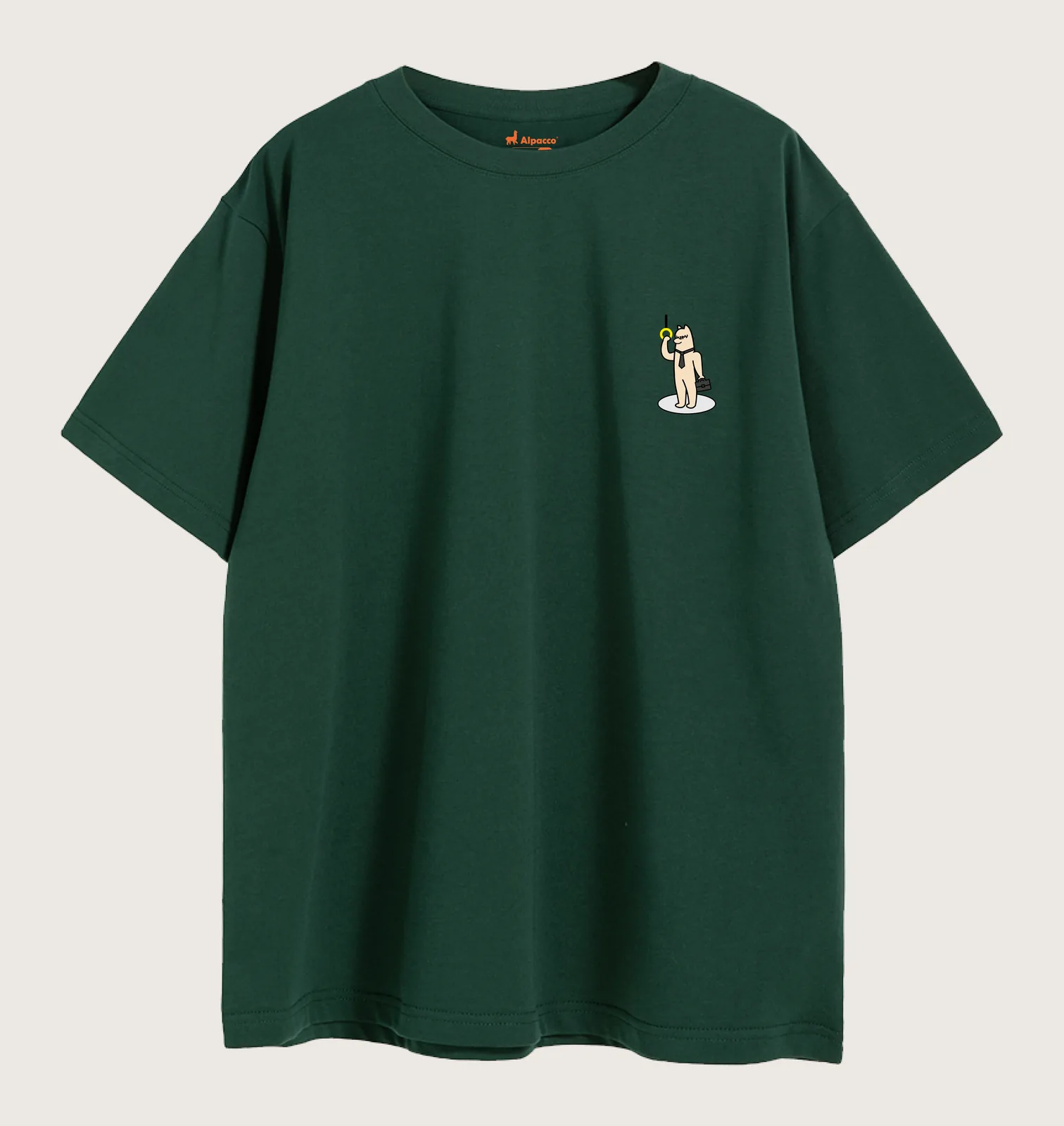
The easiest way to beat damp tees is having enough to rotate. Our MT Mood Tee is 100% cotton, 260gsm, with an oversized drop-shoulder fit, in eight colours: White, Black, Maroon, Sport Grey, Navy, Forest Green, Goose Yellow and Coffee Brown. Sizes run from S to 3XL, and our Size Finder helps you pick yours. More on the silhouette in How to Style an Oversized Tee.
Key Takeaways
Damp smell comes from clothes staying wet too long. Wash smaller loads, use the right amount of detergent, add an extra spin and hang tees spaced apart with moving air. Use a fan, dehumidifier or low-heat dryer when the rain won’t stop, and rescue smelly tees with a vinegar rinse or baking soda soak, then dry them fast.
FAQ
Why do my clothes smell bad even after washing?
Usually because they dried too slowly. When cotton stays damp for many hours, bacteria and mildew can grow and leave a sour smell. Too much detergent or softener can make it worse by leaving residue. Wash smaller loads, add an extra spin and dry clothes quickly with good airflow to stop it.
What’s the fastest way to dry clothes indoors in Malaysia?
Spin them well, hang each item on its own hanger with space between pieces, and run a fan across the rack. A dehumidifier in a closed room speeds things up even more. Avoid drying in the bathroom or kitchen, which are already humid. Flip heavier items halfway through so both sides dry evenly.
How do I get rid of baju bau hapak?
Rewash the item on a cold, gentle cycle and add half a cup of white vinegar to the rinse, or soak it in cool water with a few spoonfuls of baking soda for about 30 minutes first. Then dry it quickly. If the smell is stubborn, repeat once. Avoid masking it with perfume, as it returns with sweat.
Can I use a laundromat dryer for cotton tees?
Yes, on low heat. High heat can shrink cotton and stress the graphic on the front of a tee. Turn tees inside out, take them out while just dry or very slightly damp, and hang them briefly to finish. Fold or hang them straight away to keep creases away.
Do heavier tees take longer to dry?
Generally, yes. A heavier tee has more cotton, so it holds more water after washing. That’s normal and not a sign of a problem. Give it extra spacing, a fan and an extra spin cycle rather than higher heat. Planning your wash in the morning gives heavier tees the whole day to dry.