
Short answer on screen print vs DTF vs DTG: a well-made screen print usually lasts the longest, often as long as the tee itself. DTF comes a close second and handles full-colour detail better. DTG feels the softest but tends to fade sooner, especially on dark tees. In every case, how carefully the print is made and how you wash it matter as much as the method.
We make graphic tees, and the questions we get after a few months of wear are rarely “which method was this?” They’re “why is it cracking?” or “why does it look dull now?” So this guide covers both: how each method works, and what actually makes a print survive Malaysian weather and a busy washing machine.
The Three Methods in Plain English
Screen printing
Screen printing pushes ink through a fine mesh stencil onto the fabric. Each colour in the design needs its own screen, laid down one after another. The ink sits on and slightly into the cotton, then gets heat-cured so it sets.
It’s the old, reliable way to print tees. The catch is setup. Making screens takes time, so it suits designs with a few bold colours printed in decent quantities, rather than a one-off photo print.
DTF (direct-to-film)
DTF prints the design onto a special film first. A powdered adhesive is added, the film is cured, then the whole thing is heat-pressed onto the tee and the film is peeled away. What’s left is a thin layer of ink bonded to the fabric surface.
Because the printer does the colour work, DTF handles gradients, fine lines and many colours without extra setup. It also works on more fabric types than DTG. You’ll see a lot of DTF across t shirt printing in Malaysia now, from small online shops to market stalls, because it’s flexible for small runs.
DTG (direct-to-garment)
DTG is basically an inkjet printer for clothing. The tee goes on a flat platen and the printer sprays water-based ink straight into the fibres. Dark tees usually need a pretreatment spray and a white underbase first, so colours don’t sink into the black.
DTG gives the softest feel of the three, because the ink soaks into the cotton instead of sitting on top. It works best on high-cotton fabric and is great for detailed, photo-like art.
Screen Print vs DTF vs DTG: Side-by-Side
| Screen print | DTF | DTG | |
|---|---|---|---|
| How it works | Ink pushed through mesh screens, one per colour | Printed on film, then heat-pressed onto tee | Ink printed directly into the fabric |
| Durability | Usually the longest when cured properly | Good; edges can lift if pressed badly | Most variable; can fade sooner, esp. on dark tees |
| Feel | Ranges from soft (water-based) to thicker (plastisol) | Smooth, thin layer on the surface | Softest, almost part of the fabric |
| Colour detail | Best for bold, limited colours | Strong full colour and fine detail | Strong detail and gradients |
| Setup and cost | Higher setup, better value in larger runs | Low setup, suits small runs | Low setup, suits one-offs and small runs |
| Best for | Bold logos and graphics made in quantity | Detailed multi-colour art on many fabrics | Soft-feel, photo-style art on cotton |
No prices here on purpose: costs depend on the shop, the colours and the quantity.
Which Print Lasts Longest, Really?
If you only want one ranking: screen print, then DTF, then DTG. But that ranking assumes each one is done properly, and that’s a big assumption.
A rushed screen print that wasn’t fully cured can crack early. A carefully pressed DTF transfer can outlast a careless screen print. A DTG print on a good cotton tee, washed cold and dried in the shade, can look decent for a long time. The method sets the ceiling. The workmanship and your laundry habits decide how close you get to it.
Is DTF print tahan lama?
This is one of the most common questions in Malaysian shopping chats, so it deserves its own answer. Yes, DTF can be tahan lama, as long as the transfer was pressed with the right heat, pressure and time. When it fails, it usually shows at the edges first: small corners lifting, or a slightly shiny patch peeling after many washes. Thin or stretchy fabric under a big DTF panel can also make it crack when the tee stretches.
Why does a print crack after wash?
Print crack after wash usually comes down to one of these:
- Heat. Hot water, a hot dryer, or an iron straight on the graphic. This is the big one.
- Stretch. Pulling a tight collar over your head, or a print sitting on fabric that stretches more than the ink can.
- Curing. Ink that wasn’t fully set during printing breaks down faster.
- Friction. Washing a tee print-side out with jeans, zips and towels.
- Age. Even good prints soften and craze slightly over years. Some people love that vintage look.
Our full routine for keeping graphics sharp is in How to Wash a Cotton Tee So Prints and Colour Last. Inside out, cold water, gentle cycle, shade drying, no iron on the print. That alone fixes most of the cracking we hear about.
The Tee Under the Print Matters Just as Much
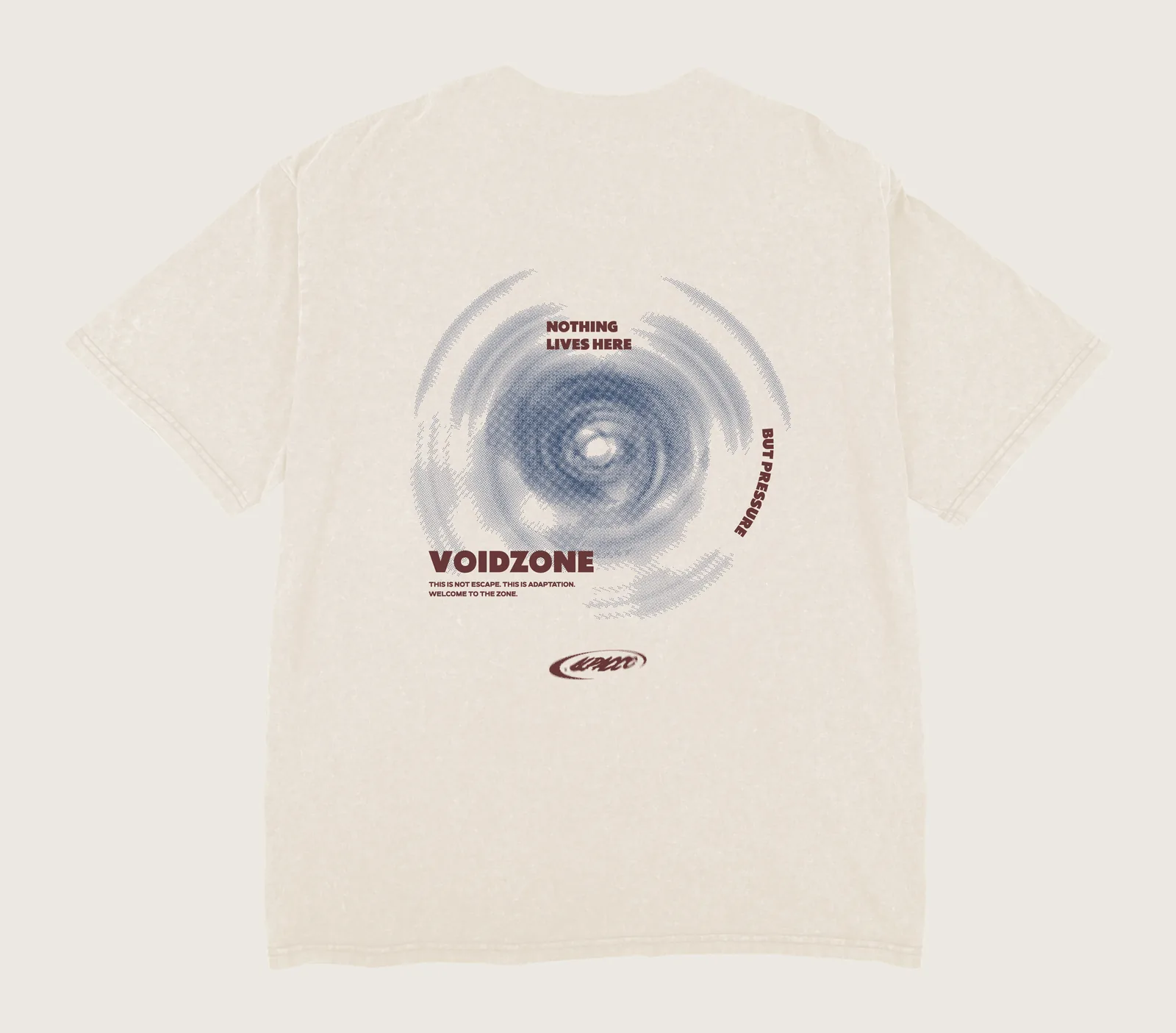
The same print looks and lasts differently depending on the shirt underneath.
Big blank-tee makers like Gildan and Oren Sport sell plain tees that print shops then decorate with any of these three methods. That’s a perfectly normal way to make a tee. It just means the blank’s name tells you about the fabric, not the print. Two shops can use the same blank and get very different results. If you want the fabric side of that comparison, see Gildan vs Comfort Colors vs Bella Canvas.
What the fabric changes:
- Weight. A heavier tee stretches and twists less, so the print has a more stable base. Our tees run from 230gsm to 260gsm. What does 250gsm vs 260gsm mean? explains the difference.
- Fibre. Combed cotton gives a smoother surface for ink to sit on than rougher, fuzzier cotton.
- Shrinkage and twist. If the tee warps in the wash, the graphic warps with it, no matter how it was printed.
So when you’re judging the best print for a t shirt, judge the whole tee, not just the method on the product page.
How to Check a Print Before You Buy
You don’t need to know the method to spot a good print. In a shop, or with a new parcel in your hands, try this:
- The gentle stretch. Pull the printed area slightly. A good print moves with the fabric. If it shows tiny white cracks straight away, it will only get worse.
- The edges. Look closely at the outline. Clean, sealed edges are a good sign. Lifting corners or a visible film border are not.
- The feel. Run your hand over it. Soft or thick isn’t “right” or “wrong”, but it should feel even, not patchy or sticky.
- The placement. Is it straight? Centred? It sounds basic, but sloppy placement often goes with sloppy printing.
Online, zoom into real photos, not mockups, and read reviews that mention washing. Our 30-second quality check covers the collar, seams and fabric too.
What About Alpacco Tees?
Fair question. We’re not listing our print method for each product in this post. Rather than guess or generalise across our range, we’d rather keep this guide honest about how the methods compare, and let you check a specific tee directly.
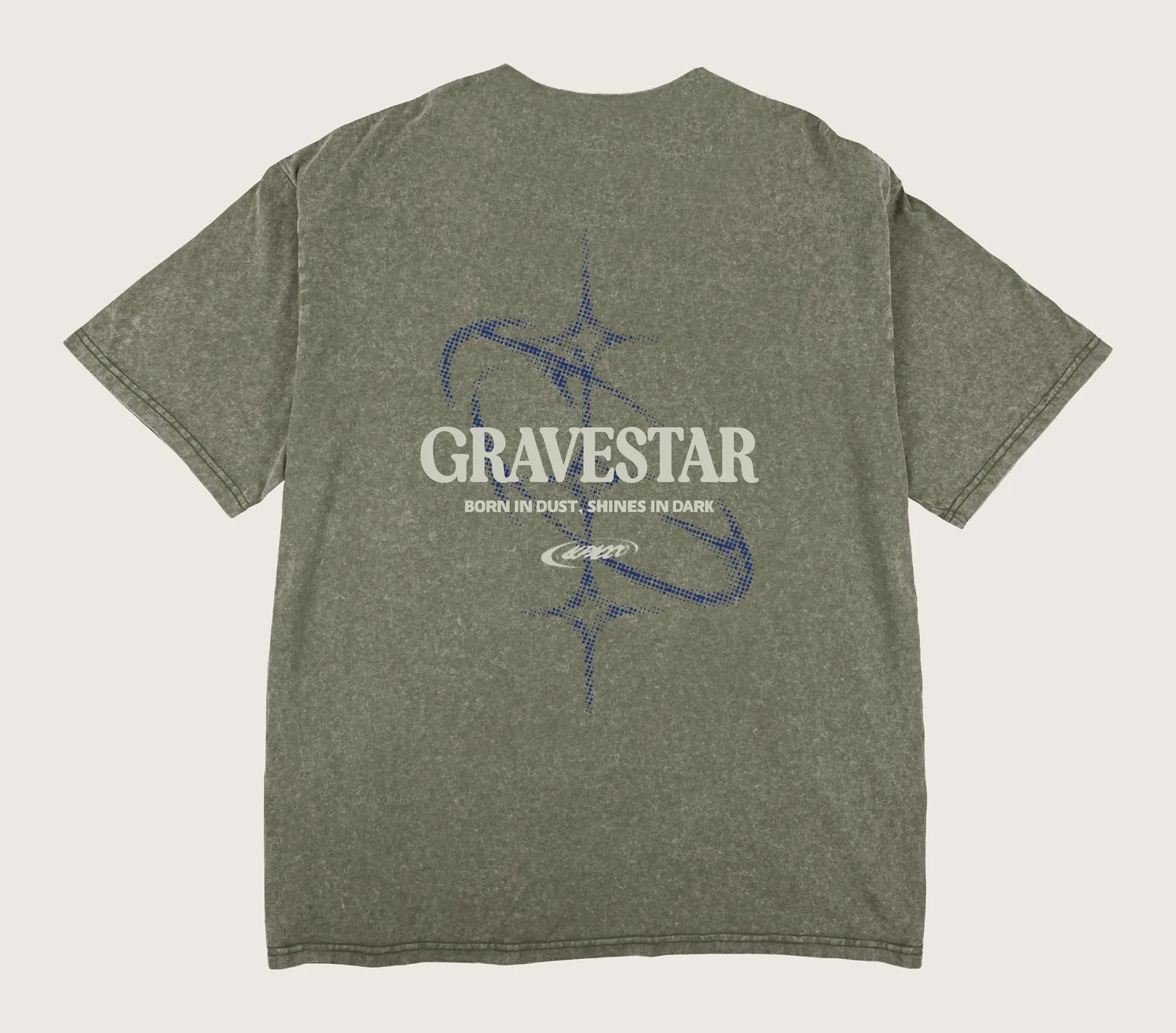
What we can say: every Alpacco graphic, from the Mood Tees by designer Nick Loo to the six back prints on the Blackwash Tee, is designed to be worn a lot, washed a lot, and still look like you. If the print method matters to you for a particular design, send us a message on Shopee or Instagram before you order and we’ll check for you.
So Which Should You Choose?
If you’re buying, not printing, here’s the simple version:
- Want something that ages well over years? A properly screen-printed tee is hard to beat.
- Love detailed, colourful artwork? DTF and DTG both handle it. DTF usually holds up better; DTG feels softer.
- Hate the feel of a print on your chest? Look for DTG or a soft water-based screen print.
- Whatever you pick: a solid tee and a gentle wash routine will do more for your print than the method name ever will.
Ready for a graphic tee with a lived-in look from day one? Meet the Alpacco Blackwash Tee: 230gsm washed cotton, six colours, each with its own back print.
Key Takeaways
Screen print usually lasts longest, DTF is a strong all-rounder for detailed colour, and DTG feels softest but can fade sooner. Workmanship, the tee underneath and your wash habits decide how long any print really survives. Check the stretch, edges and feel before you buy, then wash inside out, cold, and keep the iron off the graphic.
FAQ
Which lasts longer, DTF or screen print?
A properly cured screen print usually lasts longer than DTF and can last as long as the tee. DTF is still durable when pressed with the right heat, pressure and time, and it handles full-colour detail better. A poorly made print of either type will fail early, so workmanship matters a lot.
Why does my t-shirt print crack after washing?
Heat is the most common cause: hot water, a hot dryer or ironing over the graphic. Stretching the print, washing it print-side out with rough fabrics, and ink that wasn’t fully cured also cause cracking. Wash inside out in cold water and dry in the shade to slow it down.
Is DTG good for dark t-shirts?
DTG can print on dark tees, but it needs a pretreatment and a white base layer first. The result can look sharp and feel soft, though dark DTG prints tend to fade sooner than screen prints. Gentle, cold washing and shade drying help them last longer.
Can I iron over a printed t-shirt?
Avoid ironing directly on any print. Heat can melt, smudge or crack screen print, DTF and DTG alike. Turn the tee inside out, use low to medium heat, and iron around the graphic, or place a cloth between the iron and the print area.
What print method does Alpacco use?
We don’t list the print method per product in this guide. If it matters to you for a specific design, message us on Shopee or Instagram before ordering and we’ll check for you. Whichever tee you pick, follow our wash guide to keep the graphic looking good.