
Why does ice cream give you brain freeze? When something very cold touches the roof of your mouth, the blood vessels there react quickly to the sudden chill, and nearby nerves send a pain signal that your brain reads as coming from your forehead. That’s the sharp, short “ice cream headache”. It usually fades within seconds to a minute, and the fastest fix is warming the roof of your mouth.
You know the face. Eyes squeezed shut, hand slapped on forehead, a muffled “aduh” after one spoonful too many of Belgium Chocolate. Kids do it, parents do it, everyone has done it. So here’s the fun science behind brain freeze, plus the quick fixes that actually work.
What Is Brain Freeze, Exactly?
Brain freeze is a short, sharp headache triggered by something cold touching the roof of your mouth or the back of your throat. Doctors and researchers sometimes call it a “cold-stimulus headache”. It’s also known by a much longer name.
The official name: sphenopalatine ganglioneuralgia
Yes, really. Sphenopalatine ganglioneuralgia is the medical-sounding name you’ll find in articles about brain freeze. It refers to a bundle of nerves (the sphenopalatine ganglion) sitting behind the nose, close to the area that gets chilled. You do not need to remember it. But it’s a great word to drop on your friends while they’re clutching their foreheads.
Is brain freeze actually happening in your brain?
No. Your brain itself isn’t freezing, and it isn’t being harmed. The cold is in your mouth. The pain is “referred”, which means your nerves send the signal and your brain places the feeling somewhere else, in this case your forehead or behind your eyes.
The Brain Freeze Cause, Step by Step
Scientists are still studying the details, but the common explanation goes like this:
- Something very cold hits the roof of your mouth. A big spoonful, a fast slurp of an iced drink, a bite of frozen dessert.
- The tissue there cools down quickly. The blood vessels in that area react to the sudden temperature change.
- Blood flow shifts fast. Researchers think the vessels tighten and then widen quickly as your body tries to warm the area back up.
- A big nerve picks up the change. The trigeminal nerve, which handles a lot of sensation in your face, notices something unusual.
- Your brain reads it as a headache. Because that nerve also serves your forehead, the pain feels like it’s coming from there.
Then, once the roof of your mouth warms up again, the signal stops. That’s why brain freeze is so sharp and so short.
Why speed matters
The key word in all of this is “sudden”. It’s not just the cold. It’s how fast the cold arrives. A small taste of ice cream warms up in your mouth gradually. A huge spoonful pressed straight against your palate gives your body no time to adjust.
That’s why brain freeze shows up most often when people:
- Eat quickly on a hot day
- Take a big bite and press it against the roof of the mouth
- Slurp a very cold drink fast through a straw
- Eat frozen treats right after being out in the heat
Sounds a lot like a Klang afternoon, honestly.

How to Stop Brain Freeze (Fast)
Good news: brain freeze goes away on its own, usually in under a minute. But if you want it gone sooner, these tricks help warm the roof of your mouth.
1. Press your tongue to the roof of your mouth
The simplest fix. Your tongue is warm, so pressing it flat against your palate helps bring the temperature back up. Some people prefer using the pad of their thumb.
2. Sip something room temperature or warm
A sip of plain water at room temperature works. If you’re at a café, a warm drink works too.
3. Breathe warm air into your mouth
Cup your hands over your mouth and nose, then breathe out slowly. The warm air helps your palate warm up.
4. Stop and wait
Pause your eating. Take a breath. Look around. It will pass, and the soft serve isn’t going anywhere (well, it is melting, but slowly).
5. Tilt your head forward a little
Some people find this helps, though it’s more of a “might help” tip than a proven one. It does at least stop you from staring at the ceiling dramatically.
How to Avoid Brain Freeze in the First Place
Prevention is mostly about slowing down. Here’s what helps if you get it often.
- Take smaller spoonfuls. It sounds obvious, but it makes the biggest difference.
- Let it sit on your tongue first. Give the cold a second to soften before it touches the roof of your mouth.
- Don’t rush after being in the heat. If you’ve just walked in from a sweaty car park, sit for a minute before your first bite.
- Sip Cloud drinks slowly. A straw shoots cold liquid straight to the back of your mouth. Small sips are kinder. More about our Cloud series in Cloud Drinks Explained.
- Alternate with something warm or room temperature. A coffee or a non-caffeine drink between bites helps.
- Use a spoon, not a “bite”. Biting straight into a cone of soft serve is the fastest route to a cold headache.
Does soft serve cause less brain freeze than hard ice cream?
It can feel gentler for some people, but we won’t promise it. Soft serve is served a little warmer than scooped ice cream and has air churned in, which is why it feels lighter and softer. You can read more in Why Is Soft Serve So Smooth?. But it’s still a cold dessert, and a big, fast spoonful can still trigger a cold headache.
For more on the differences between frozen desserts, see Soft Serve vs Ice Cream vs Gelato.
Cone or Cup: Which Is Better for Brain Freeze?
Funny question, but people do ask. A cup with a spoon gives you more control over bite size, so it’s easier to eat slowly. A cone encourages bigger licks and bites, especially when it’s melting fast in our weather and you’re racing the drips.
So if you’re brain-freeze-prone, go for a cup. If you love cones, lick from the side instead of biting the top. More pros and cons in Cone or Cup?.
Brain Freeze and Kids
Kids get brain freeze a lot, mostly because they eat fast and with enthusiasm. A few tips for parents:
- Give a small cup and a small spoon. Smaller tools, smaller bites.
- Show them the tongue trick. Kids love having a “secret move” for brain freeze.
- Make it a game. “Who can eat the slowest?” works surprisingly well.
- Reassure them. It hurts for a few seconds, it isn’t dangerous, and it goes away.
If a child (or adult) gets headaches that are frequent, last a long time, or feel different from a quick brain freeze, it’s worth checking with a doctor. This post is about the everyday kind, not medical advice.
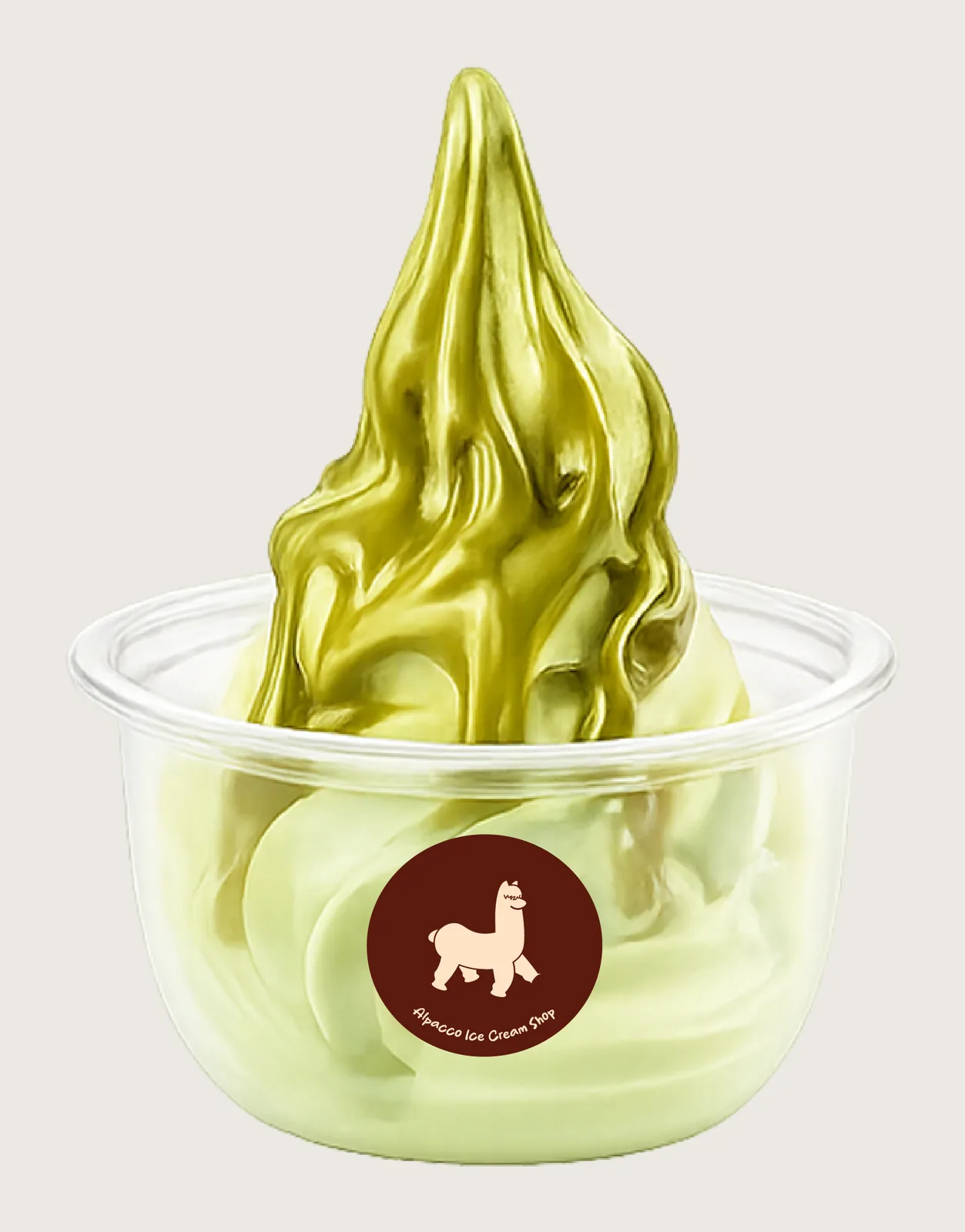
Brain Freeze Fun Facts
- It’s not only ice cream. Shaved ice, iced drinks and cold slushies can all trigger it.
- Not everyone gets it. Some people almost never feel it, while others get it every time.
- It’s harmless for most people. It’s a quick nerve reaction, not damage.
Enjoy Your Soft Serve Slowly
Brain freeze is a small price for a good cold dessert, but you can mostly avoid it. Small spoonfuls, a sip of something warm, and a bit of patience go a long way. Take your time with a cup of Pistachio, Milk (Farm Fresh), Belgium Chocolate or limited Soya, and pair it with a coffee if you want a built-in brain freeze fix.
For more tips on enjoying soft serve in our climate, try Soft Serve Melting Tips.
Visit Alpacco Ice Cream
- Where: Jln Laksamana 6, Taman Desa Idaman, 41200 Klang, Selangor. Directions on our Locations page.
- When: Usually open until 8:30pm. Check @alpacco_icecream on Instagram for the latest hours.
- Menu: soft serve in Milk (Farm Fresh), Belgium Chocolate, Pistachio and limited Soya, plus toppings, coffee, non-caffeine drinks and Cloud drinks.
- Muslim-friendly menu.
Come test your brain freeze tolerance → Sundae Funday Every Day!
Key Takeaways
Brain freeze happens when something very cold suddenly chills the roof of your mouth, and nearby nerves send a pain signal your brain reads as a forehead headache. It’s harmless and usually lasts under a minute. To stop it, press your tongue to your palate or sip something warm. To avoid it, slow down, take smaller spoonfuls and choose a cup.
FAQ
Why does ice cream give you brain freeze?
Very cold food suddenly cools the roof of your mouth, and the blood vessels there react quickly. Nearby nerves, including the trigeminal nerve, send a pain signal that your brain reads as coming from your forehead. The pain stops once your mouth warms up again, usually within a minute.
How do you stop brain freeze quickly?
Press your tongue or thumb against the roof of your mouth to warm it up. Sipping room-temperature water or a warm drink also helps, as does breathing warm air into cupped hands over your mouth. Then pause for a few seconds before your next spoonful.
What is sphenopalatine ganglioneuralgia?
It’s the long, medical-sounding name often used for brain freeze. It refers to a group of nerves behind the nose near the area that gets chilled. In everyday terms, it simply means the short, sharp cold headache you get from eating or drinking something cold too fast.
Is brain freeze dangerous?
For most people, no. Brain freeze is a quick nerve reaction to cold and goes away on its own within seconds to a minute. If you get headaches that are frequent, long-lasting or feel different from a normal brain freeze, it’s a good idea to check with a doctor.
How can I eat ice cream without getting brain freeze?
Take smaller spoonfuls, let the ice cream sit on your tongue before it touches the roof of your mouth, and slow down, especially after being out in the heat. A cup and spoon make this easier than a cone. Sipping a warm drink between bites also helps.